
A “separated co-ed” camp houses boys and girls on opposite sides of the property in gender-specific cabins while bringing them together for meals, transitions, and evening programs. This model lets siblings share a single camp experience and a common family tradition without sacrificing the developmental benefits of brotherhood and sisterhood bonding. Camp Highlander in Mills River, North Carolina has operated this exact model since 1957.
If you have a son and a daughter, the question of summer camp gets complicated fast. A single-gender camp means two drop-offs, two sets of letters home, and two completely separate stories your kids bring home in August. And you’re probably exhausted just reading that sentence.
A fully co-ed camp is logistically simple, but many parents worry their children will spend the summer playing to the opposite gender rather than developing the kind of independent identity that camp is supposed to build.
There is a third option, and it is the one most parents do not know exists: the separated co-ed model. This guide explains exactly how it works, how it compares to the alternatives, and why it has been the structural choice at Camp Highlander for nearly seven decades.
Co-Ed vs. Separated Co-Ed vs. Single-Gender: A Side-by-Side Comparison
Most parents searching for a residential summer camp encounter three structural models. They sound similar, but they produce very different daily experiences for a child. The table below breaks down what each one actually means in practice.
| Fully Co-Ed | Separated Co-Ed | Single-Gender | |
|---|---|---|---|
| Cabin & Living | Boys and girls in adjacent cabins or shared living areas | Boys on one side of camp, girls on the other; gender-specific cabins | Only one gender on property |
| Daily Touchpoints | Most activities mixed | Meals, transitions, and evening programs together; activities often gender-grouped | None |
| Sibling Logistics | Single drop-off; siblings often together throughout the day | Single drop-off; siblings share a campus and traditions but live independently | Two drop-offs; two separate camp stories |
| Identity Development | Constant cross-gender social dynamic | Strong same-gender bonding inside cabins; healthy mixed-gender community outside them | Strongest same-gender peer culture |
| Best Fit For | Families with one child, or families prioritizing constant sibling proximity | Families with brothers and sisters who want one shared camp | Families with a child who would benefit from a fully gender-focused environment |
The separated co-ed model is the only option that gives siblings a shared experience while still preserving the developmental benefits of same-gender peer culture inside the cabin. That is why it has become the preferred structure for families that want to send brothers and sisters to camp together without compromising on either side of the equation.
How the Separated Co-Ed Model Works at Camp Highlander
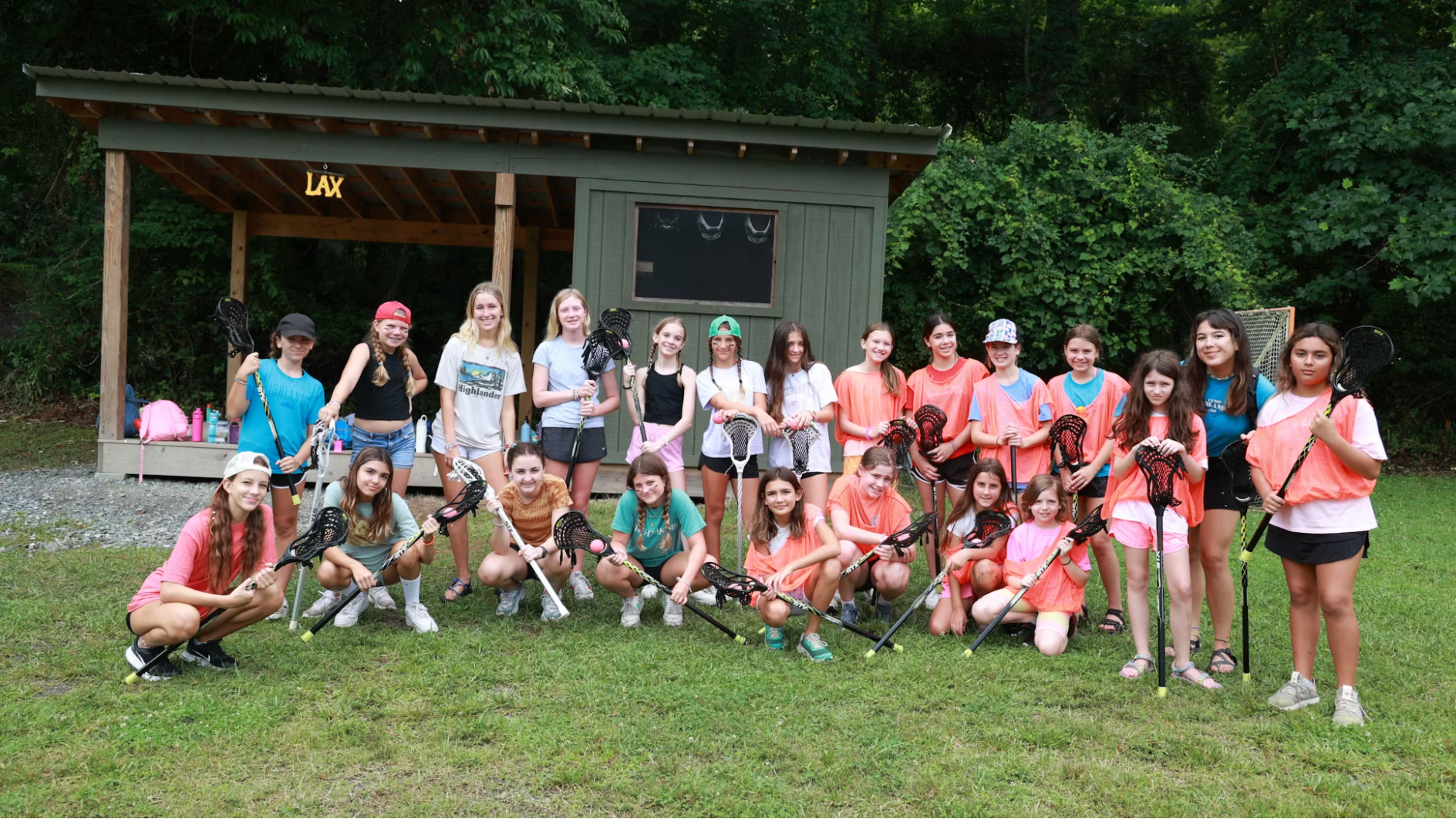
At Camp Highlander, the separated co-ed model is built into the physical layout of the property and the rhythm of the daily schedule. The campus is divided into a Boys’ Camp and a Girls’ Camp, each with its own cabins row, counselors, traditions, and identity. A camper sleeps, gets ready in the morning, and unwinds at night entirely within their own side of camp.
Throughout the day, however, the two sides of camp converge at deliberate, supervised touchpoints. Campers eat all meals together in the dining hall, gather for daily assemblies and announcements, and participate in evening programs that bring the full camp community into a single shared experience. Activities like archery, pottery, kayaking, and firebuilding are often run in gender-grouped sessions during the day, then mixed for cabin-vs-cabin competitions, all-camp games, and traditional events.
This structure is intentional. Inside the cabin, a 10-year-old boy gets the gift of a tight, all-male peer group with two trained male counselors who model what it looks like to be confident, kind, and capable. His sister, on the other side of camp, has the same experience inside her own cabin family. At dinner, they wave at each other across the dining hall. On Sunday, they sit together at campfire. They go home with one shared story, not two parallel ones.
Three Sibling-Specific Benefits Parents Notice First
Parents who choose a separated co-ed camp for their family almost always cite the same three practical advantages. These are the benefits that show up in the first summer and compound every year after.
1. One drop-off, one pickup, . Coordinating two camps in two locations on two different schedules is the kind of logistical strain that erodes the entire summer. A separated co-ed camp consolidates the calendar, the drive, and the family ritual into a single trip.
2. A shared family story. When siblings attend the same camp, they share a vocabulary. The traditions, songs, in-jokes, counselor names, and dining hall memories belong to both kids, and often to cousins and parents who attended before them. Camp becomes part of the family identity, not a private experience that only one child gets to claim.
3. Independent social development inside a familiar campus. Younger siblings benefit enormously from knowing that their older brother or sister is somewhere on the same property without being in the same cabin. The result is a child who feels safe enough to take social risks but is not leaning on their sibling for friendship. Both kids grow.
Why Gender-Specific Cabins Still Matter — Even at a Co-Ed Camp
There is a developmental case for the separated co-ed model that goes beyond logistics. Childhood and early adolescence are the years when kids form their core sense of identity, including how they relate to peers of their own gender. A cabin of ten boys with two male counselors, or ten girls with two female counselors, creates a contained environment where a child can try on leadership, vulnerability, humor, and friendship without performing for the opposite gender.
This is the part of camp that does not happen on the activity field. It happens at 10:30 p.m. when the cabin is talking in the dark, at 8:00 a.m. when everyone is helping each other find a missing flip-flop, and on the last night of the session when a homesick first-timer realizes she has nine new sisters who will write to her all year. These moments are quieter at fully co-ed camps, where the social water is always slightly mixed. The separated co-ed model preserves them, and then layers a healthy, supervised, mixed-gender community on top.
Is a Separated Co-Ed Camp the Right Fit for Your Family?
The separated co-ed model is most valuable for families with two or more children of different genders, families whose kids are close in age, and families who want camp to function as a multi-year tradition rather than a one-summer activity. It is also a strong fit for first-time camp families with siblings, because the older child often serves as a quiet reassurance for the younger one — even from across the property.
Camp Highlander has run this model in Mills River, North Carolina since 1957. The property, the schedule, and the cabin culture have all been refined over nearly seven decades to make it work. Brothers and sisters arrive together, live independently, and leave camp with a shared story that becomes part of their family for the rest of their lives.
| See How Our Separated Co-Ed Model Works Tour the Boys’ Camp and Girls’ Camp side by side, meet our directors, and see why brothers and sisters have been arriving together at Camp Highlander since 1957. Request a virtual tour or schedule a parent screening call today. |
|---|